Trail Running
Run Wild. Run Far.
Training Tips
View all → Trail RunningTrail Running 101: Getting Started on DirtEverything you need to know to transition from roads to trails.March 7, 2026
 Trail RunningTrail Shoes vs Road Shoes: Key DifferencesWhy you need trail-specific footwear for off-road running.March 6, 2026Trail RunningUphill Running Technique for BeginnersHow to efficiently climb hills on the trail.March 5, 2026Trail RunningDownhill Running: Technique and ConfidenceHow to descend trails safely and efficiently.March 4, 2026Trail RunningEssential Trail Running Safety GearWhat to carry on every trail run for safety.March 3, 2026Trail RunningTrail Navigation BasicsHow to read trail markers and use GPS for trail runs.March 2, 2026Trail RunningHydration Packs vs Handheld BottlesChoosing the right hydration system for trail running.March 1, 2026Trail RunningRunning on Rocks and RootsHow to maintain balance on technical terrain.February 28, 2026Trail RunningTrail Etiquette for New RunnersRules of the trail every runner should know.February 27, 2026
Research
View all →Trail RunningMental Benefits of Natural Environment ExposureTrail running in natural environments reduces cortisol levels by 21% and improves mood scores compared to urban running environments.March 2, 2026Trail RunningEnvironmental Impact Minimization in Trail RunningSingle-track adherence and Leave No Trace principles reduce trail degradation by 89% in high-traffic trail running areas.March 1, 2026Trail RunningNutritional Strategies for Long Trail RunsTrail runners benefit from whole food sources providing 45-60g carbs/hour, with increased sodium needs (400-600mg/hour) due to varied intensity.February 28, 2026Trail RunningWeather Adaptation Strategies in Trail RunningMulti-weather training exposure improves trail running adaptability and reduces weather-related performance decrements by 28%.February 26, 2026Trail RunningSeasonal Training Adaptations for Trail RunningYear-round trail running shows 31% better technical skill retention compared to seasonal trail exposure after road training base.February 25, 2026Trail RunningInjury Patterns Specific to Trail Running TerrainTrail running injury rates 23% lower than road running, but ankle sprains 340% more common due to technical terrain navigation.February 23, 2026News
View all →Trail RunningKiriago and Gitonga Retain WMRA Mountain Running World Cup TitlesThe series ended 10-11 October at Défi des Couleurs in Quebec, with Kenya taking both overall titles.October 11, 2026 Trail RunningMinoggio, 42, and Kaspersen Win UTMB CCC on a Revised CourseCristian Minoggio took the men's CCC in 10:21:48, and Yngvild Kaspersen became the first woman to win it twice.August 28, 2026
 Trail RunningGregory Beats Lang by Three Seconds at OCC; Tranchand Wins Men’s RaceLauren Gregory won in 6:08:07 over Naomi Lang's 6:08:10 in one of the closest finishes in UTMB history.August 27, 2026
Upcoming events
 Trail Running & Mental Health Webinar2026-11-20 · Online / Zoom
 Virtual Thanksgiving Trail 10K2026-11-26 · Online · 10K
- Online Trail Race Strategy for Hilly Courses2026-12-03 · Online / Zoom
- Virtual Holiday Trail Half Marathon2026-12-12 · Online · 13.1 mi
- Trail Running Goal Setting for 20272026-12-18 · Online / Zoom
- Virtual Winter Solstice Trail 10K2026-12-21 · Online · 10K
- Virtual New Years Trail Half2026-12-31 · Online · 13.1 mi
FAQ
How is trail running different from road running?
Trail running involves running on unpaved surfaces like dirt paths, rocky terrain, and mountain trails. It requires more attention to footing, uses different muscles, and pace is generally slower than road.
Can I trail run in regular running shoes?
For easy, groomed trails you can use road shoes. However, trail-specific shoes offer better traction, rock protection, and stability on technical terrain. They’re recommended for anything beyond paved paths.
How do I find trails near me?
Use apps like AllTrails, TrailForks, or the Trail Run Project to find trails. Local running stores and trail running clubs are also great resources. Start with well-marked, moderate trails.
How do I run downhill on trails?
Lean slightly forward from the ankles, take shorter quick steps, and keep your eyes 10-15 feet ahead. Let gravity do the work rather than braking with each step. Practice builds confidence.
Should I use trekking poles?
Poles are useful for steep climbs and long races but not essential for all trail running. They reduce leg fatigue on ascents and provide stability on technical descents. Practice using them before race day.
How do I handle roots, rocks, and technical terrain?
Keep your eyes focused 10-15 feet ahead, not at your feet. Shorten your stride, lift your feet higher, and stay relaxed. Speed comes with experience — start slow and build confidence gradually.
What should I carry on a trail run?
At minimum: water, your phone, and identification. For longer runs add: nutrition, a basic first aid kit, emergency whistle, and weather-appropriate layers. Tell someone your planned route and return time.
What about wildlife encounters?
Know the wildlife in your area. For bears: make noise, never run away, and carry bear spray in bear country. For snakes: watch where you step. For mountain lions: make yourself appear large and back away slowly.
Do I need a hydration vest?
For runs over 60-90 minutes where water sources are limited, a hydration vest is very useful. It carries water, nutrition, layers, and safety gear. Brands like Salomon, Nathan, and Ultimate Direction are popular.
What is the best trail running shoe for beginners?
Look for shoes with moderate cushioning, good traction (lugged outsole), and a protective rock plate. Popular beginner options include Salomon Speedcross, Hoka Speedgoat, Brooks Cascadia, and Nike Pegasus Trail.
Videos
 ▶ My 6 Essential Techniques to Master Technical Trail RunningSix techniques to improve your technical trail running skills.
 ▶ How to Get Into Trail Running + Trail Running TipsMarathon Handbook comprehensive guide to starting trail running.
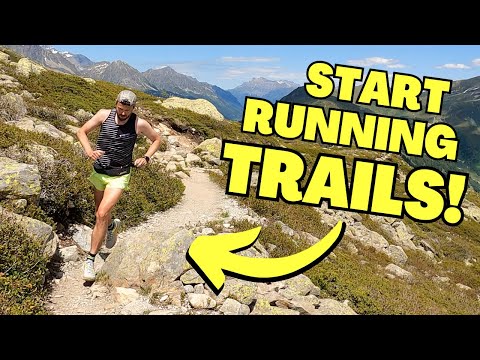 ▶ TRAIL RUNNING FOR BEGINNERS!Beginners guide to getting started with trail running safely.
Get weekly running tips
The best training, gear and race-day advice in your inbox — free.