Trail Running
Run Wild. Run Far.
Training Tips
View all →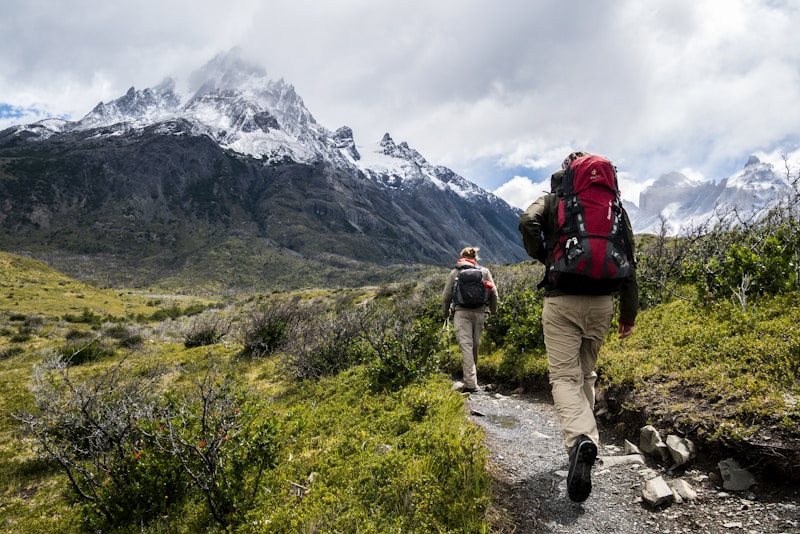 Trail RunningTrail Running 101: Getting Started on DirtEverything you need to know to transition from roads to trails.March 7, 2026
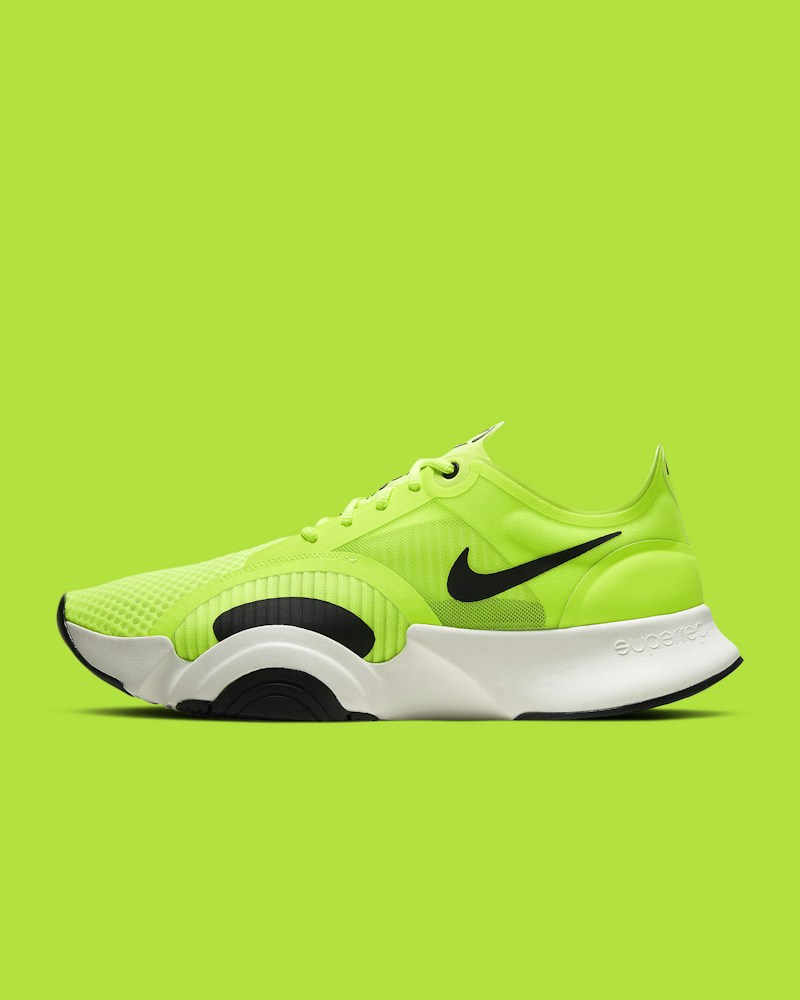 Trail RunningTrail Shoes vs Road Shoes: Key DifferencesWhy you need trail-specific footwear for off-road running.March 6, 2026
 Trail RunningUphill Running Technique for BeginnersHow to efficiently climb hills on the trail.March 5, 2026
 Trail RunningDownhill Running: Technique and ConfidenceHow to descend trails safely and efficiently.March 4, 2026
 Trail RunningEssential Trail Running Safety GearWhat to carry on every trail run for safety.March 3, 2026Trail RunningTrail Navigation BasicsHow to read trail markers and use GPS for trail runs.March 2, 2026
 Trail RunningHydration Packs vs Handheld BottlesChoosing the right hydration system for trail running.March 1, 2026
 Trail RunningRunning on Rocks and RootsHow to maintain balance on technical terrain.February 28, 2026
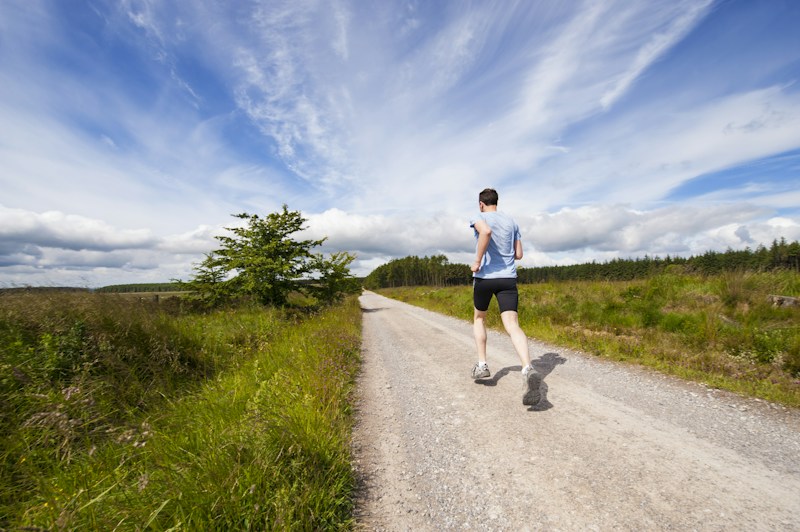 Trail RunningTrail Etiquette for New RunnersRules of the trail every runner should know.February 27, 2026
Research
View all →News
View all →Trail RunningJim Walmsley Sets New Grand Canyon Rim-to-Rim-to-Rim RecordJim Walmsley crushes the Grand Canyon R2R2R record, covering the 42-mile route in under 6 hours.March 7, 2026Trail RunningBest Trail Running Shoes of 2026: Expert PicksOur gear editors tested 40+ trail shoes across rocky, muddy, and technical terrain. These are the standouts.March 3, 2026Trail RunningNew National Trail System Opens in ColoradoColorado launches a 500-mile connected trail network linking mountain communities from Durango to Fort Collins.February 27, 2026Upcoming events
- Virtual November Trail 25K2026-11-15 · Online · 25K
- Trail Running & Mental Health Webinar2026-11-20 · Online / Zoom
- Virtual Thanksgiving Trail 10K2026-11-26 · Online · 10K
- Online Trail Race Strategy for Hilly Courses2026-12-03 · Online / Zoom
- Virtual Holiday Trail Half Marathon2026-12-12 · Online · 13.1 mi
- Trail Running Goal Setting for 20272026-12-18 · Online / Zoom
- Virtual Winter Solstice Trail 10K2026-12-21 · Online · 10K
- Virtual New Years Trail Half2026-12-31 · Online · 13.1 mi
FAQ
How is trail running different from road running?
Trail running involves running on unpaved surfaces like dirt paths, rocky terrain, and mountain trails. It requires more attention to footing, uses different muscles, and pace is generally slower than road.
Can I trail run in regular running shoes?
For easy, groomed trails you can use road shoes. However, trail-specific shoes offer better traction, rock protection, and stability on technical terrain. They’re recommended for anything beyond paved paths.
How do I find trails near me?
Use apps like AllTrails, TrailForks, or the Trail Run Project to find trails. Local running stores and trail running clubs are also great resources. Start with well-marked, moderate trails.
How do I run downhill on trails?
Lean slightly forward from the ankles, take shorter quick steps, and keep your eyes 10-15 feet ahead. Let gravity do the work rather than braking with each step. Practice builds confidence.
Should I use trekking poles?
Poles are useful for steep climbs and long races but not essential for all trail running. They reduce leg fatigue on ascents and provide stability on technical descents. Practice using them before race day.
How do I handle roots, rocks, and technical terrain?
Keep your eyes focused 10-15 feet ahead, not at your feet. Shorten your stride, lift your feet higher, and stay relaxed. Speed comes with experience — start slow and build confidence gradually.
What should I carry on a trail run?
At minimum: water, your phone, and identification. For longer runs add: nutrition, a basic first aid kit, emergency whistle, and weather-appropriate layers. Tell someone your planned route and return time.
What about wildlife encounters?
Know the wildlife in your area. For bears: make noise, never run away, and carry bear spray in bear country. For snakes: watch where you step. For mountain lions: make yourself appear large and back away slowly.
Do I need a hydration vest?
For runs over 60-90 minutes where water sources are limited, a hydration vest is very useful. It carries water, nutrition, layers, and safety gear. Brands like Salomon, Nathan, and Ultimate Direction are popular.
What is the best trail running shoe for beginners?
Look for shoes with moderate cushioning, good traction (lugged outsole), and a protective rock plate. Popular beginner options include Salomon Speedcross, Hoka Speedgoat, Brooks Cascadia, and Nike Pegasus Trail.
Videos
- ▶ Mountain Running Tips | How to Run in the MountainsTips for running safely and efficiently in mountain terrain.
- ▶ My 6 Essential Techniques to Master Technical Trail RunningSix techniques to improve your technical trail running skills.
- ▶ Trail Running Nutrition | What to Eat on the TrailNutrition strategies for long trail runs and races.
- ▶ How to Get Into Trail Running + Trail Running TipsMarathon Handbook comprehensive guide to starting trail running.
- ▶ TRAIL RUNNING FOR BEGINNERS!Beginners guide to getting started with trail running safely.
- ▶ Trail Running Technique | How To Run Downhill & UphillMaster uphill and downhill technique for faster trail running.
Get weekly running tips
The best training, gear and race-day advice in your inbox — free.