Track & Field
Speed. Power. Precision.
Training Tips
View all → Track & FieldGetting Started in Track and FieldAn introduction to the sport for absolute beginners.March 7, 2026
 Track & FieldSprint Form 101: Proper Running TechniqueMaster the basics of sprinting posture and mechanics.March 6, 2026
 Track & FieldYour First Track WorkoutA simple session to introduce you to speed work on the oval.March 5, 2026Track & FieldUnderstanding Track Events and DistancesA breakdown of all track running events from sprints to distance.March 4, 2026
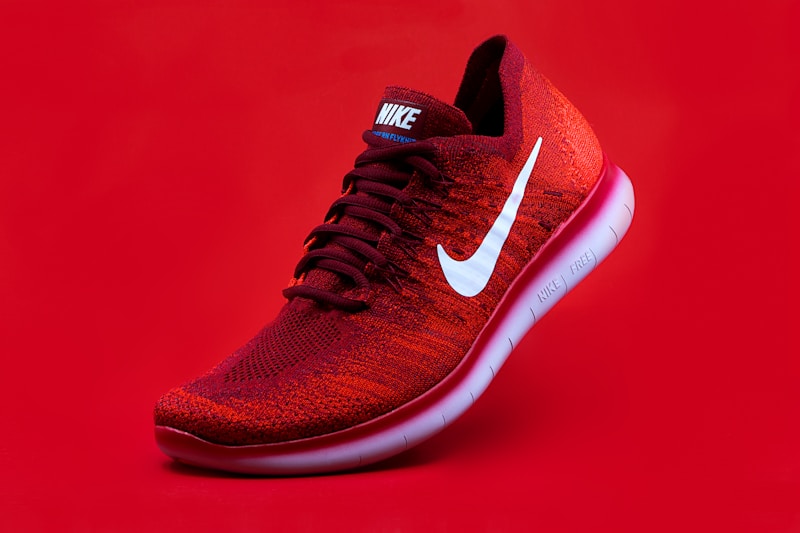 Track & FieldHow to Choose Track SpikesA beginner guide to selecting the right racing spikes.March 3, 2026
 Track & FieldWarm-Up Routine for Track WorkoutsA complete warm-up protocol for track sessions and meets.March 2, 2026Track & FieldHow to Run the 400 MetersPacing and strategy for the toughest sprint event.March 1, 2026Track & Field800m Training for BeginnersHow to prepare for the challenging two-lap race.February 28, 2026
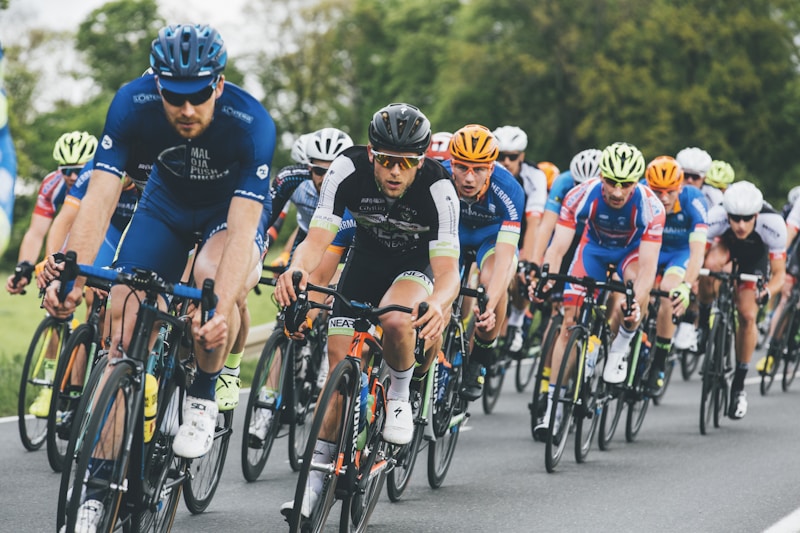 Track & Field1500m Beginner’s GuideTraining and racing the metric mile.February 27, 2026
Research
View all →News
View all →Track & FieldSydney McLaughlin-Levrone Breaks Own 400m Hurdles World RecordSydney McLaughlin-Levrone lowers her world record to 50.37 at the Diamond League Final.March 7, 2026Track & Field2026 World Athletics Championships PreviewA comprehensive preview of the biggest track & field event of the year, featuring the sport's brightest stars.March 4, 2026Track & FieldThe Rise of the 1500m: Why Middle Distance Is BoomingThe 1500m has become one of track's most exciting events, with times dropping rapidly across the board.March 1, 2026Upcoming events
- Virtual November Mile2026-11-15 · Online · 1 mi
- Track & Field Cross-Training Webinar2026-11-20 · Online / Zoom
- Virtual Thanksgiving 5000m2026-11-26 · Online · 5000m
- Online Indoor Track Season Preview2026-12-03 · Online / Zoom
- Virtual Holiday Mile2026-12-12 · Online · 1 mi
- Track & Field Goal Setting for 20272026-12-18 · Online / Zoom
- Virtual New Years Eve 400m Sprint2026-12-31 · Online · 400m
FAQ
What events are in track and field?
Track events include sprints (100m-400m), middle distance (800m-1500m), long distance (3000m-10000m), hurdles, steeplechase, and relays. Field events include jumps (high, long, triple, pole vault) and throws (shot put, discus, javelin, hammer).
How do I get started in track and field?
Join a local track club or masters program. Many communities have open track nights. Start by running on the track to build fitness, then explore different events to find what suits your body type and interests.
Can adults compete in track and field?
Yes! Masters track and field is thriving, with competitions for ages 30+. USATF (USA Track & Field) organizes masters championships at local, regional, and national levels. All abilities are welcome.
What is interval training?
Interval training alternates between high-intensity efforts and recovery periods. Example: 8x400m at goal pace with 200m jog recovery. It improves speed, VO2 max, and running economy.
How do I improve my mile time?
Run a mix of intervals (400m repeats), tempo runs (sustained effort at threshold pace), and easy mileage for aerobic base. Most improvement comes from consistency over weeks and months, not single workouts.
What is the difference between sprinting and distance training?
Sprinters focus on explosive power, acceleration, and maximum speed with full recovery between reps. Distance runners emphasize aerobic capacity, lactate threshold, and sustained effort with shorter recoveries.
Do I need track spikes?
Spikes provide better traction and energy return on the track. They’re recommended for racing and speed workouts. Sprint spikes, middle distance spikes, and distance spikes have different designs for each event type.
What lane should I run in during workouts?
Lane 1 (inside) is the standard racing lane and usually measured at exactly 400m. Use lanes 1-2 for timed workouts. Move to outer lanes for warm-ups and cool-downs to leave inner lanes open for faster runners.
How does track meet scoring work?
In dual meets, places score points (e.g., 5-3-1 for 1st, 2nd, 3rd). In invitationals, more places may score. Championship meets have qualifying heats followed by finals. Times are recorded to the hundredth of a second.
What is a PR and how do I chase one?
PR stands for Personal Record — your best-ever time for a distance. Chase PRs by peaking fitness for key races, choosing flat/fast courses, racing in good weather, and using proper pacing strategy.
Videos
- ▶ 5 TOP TIPS for a Successful Sprint SeasonFive tips for managing a successful sprint season from a pro.
- ▶ How To Run A Faster Mile | Mile Training TipsTraining tips and strategies for running a faster mile.
- ▶ Track & Field Warm Up | Complete Pre-Race RoutineA complete warm-up routine for track and field events.
- ▶ Track Interval Workout For Speed | Beginners GuideA beginner-friendly interval workout on the track.
- ▶ 800m Race Tactics & Strategy ExplainedRace tactics and pacing strategy for the 800 meters.
- ▶ Strength Training For SprintersEssential strength training exercises for sprinters.
Get weekly running tips
The best training, gear and race-day advice in your inbox — free.