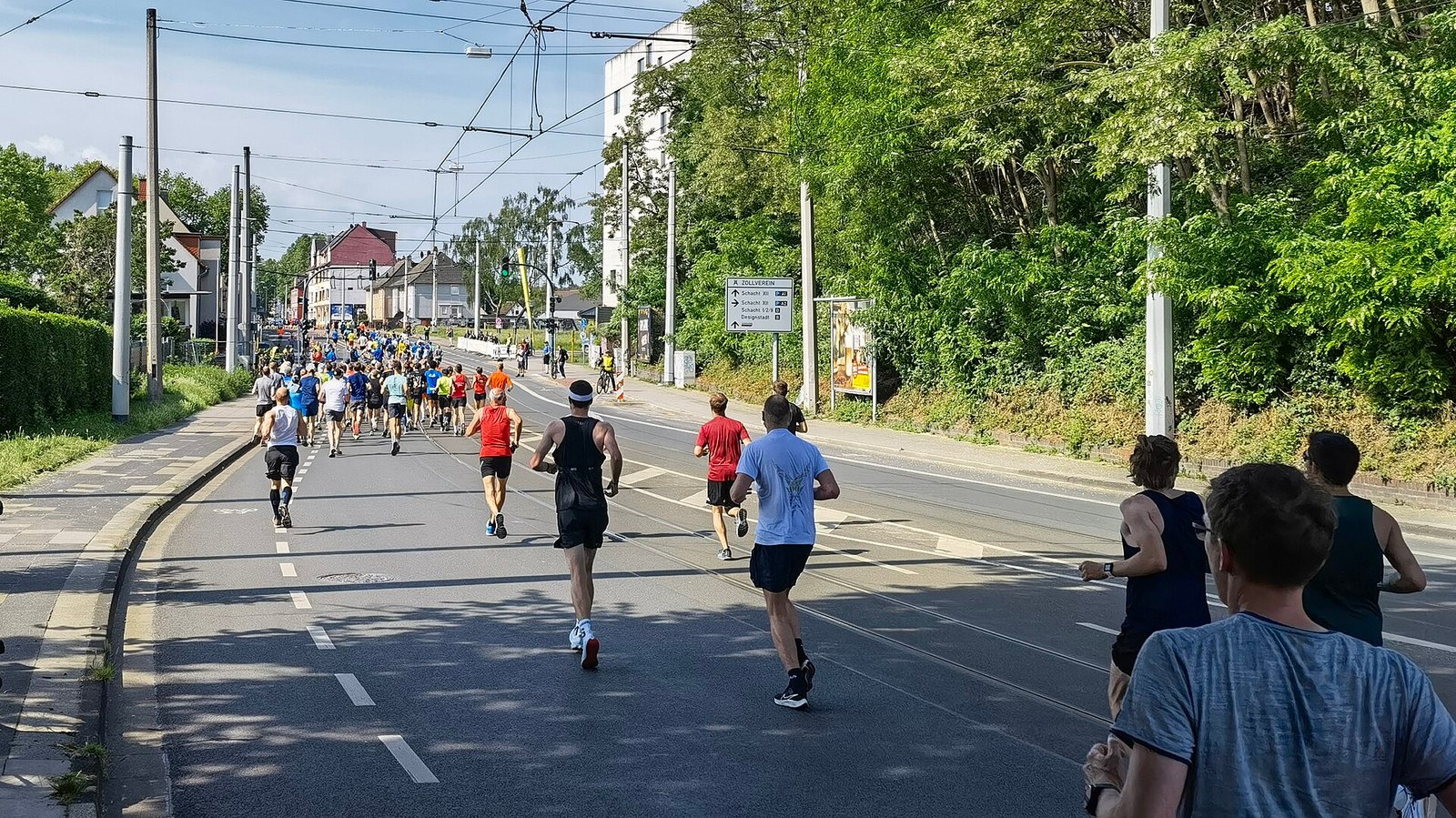
Road racers are often told to drink on a fixed schedule, starting before they feel thirsty. The 2015 international consensus statement on exercise-associated hyponatremia (EAH) says the opposite: the panel calls drinking according to thirst the safest individualized strategy before, during and after exercise, and advises against drinking “before thirst”.
What the risk actually is
EAH is a drop in blood sodium during or after exercise. The statement identifies sustained intake of water, sports drinks or other fluids beyond what the body can lose through sweat and urine as the main risk factor. Heat raises the risk. Symptoms can be absent or mild at first; later signs include headache, vomiting and confusion, and severe cases can cause seizures from brain swelling and can be fatal without immediate treatment.
Does drinking to thirst hurt performance?
According to the statement, drinking to thirst also helps prevent the performance drops associated with dehydration, so it is not a trade-off between safety and speed. The statement also says fluids should be palatable, because drinks you like are easier to drink in the amounts you need.
Applying it on race day
- Use the aid stations as a convenience, not a quota: drink when thirsty, and stop when you are not.
- Practice in training on similar-length runs and in similar weather, so you learn what thirst feels like at race pace.
- Know the warning signs of overdrinking (headache, nausea, bloating, confusion) and tell race medical staff if a runner shows them. Treatment is guided by symptom severity rather than by the sodium number alone, per the statement.
Limits of the evidence
The statement is a consensus of experts, not a single trial, and the summary I could verify does not set specific millilitre or sodium targets. Sweat rates vary widely between runners and conditions, so use it as a framework rather than a prescription. If you have a medical condition or take medication that affects fluid balance, ask your clinician.
Sources
Updated November 14, 2026.
Photo: Thomas Krakow (CC BY-SA 4.0), via Wikimedia Commons

Leave a Reply