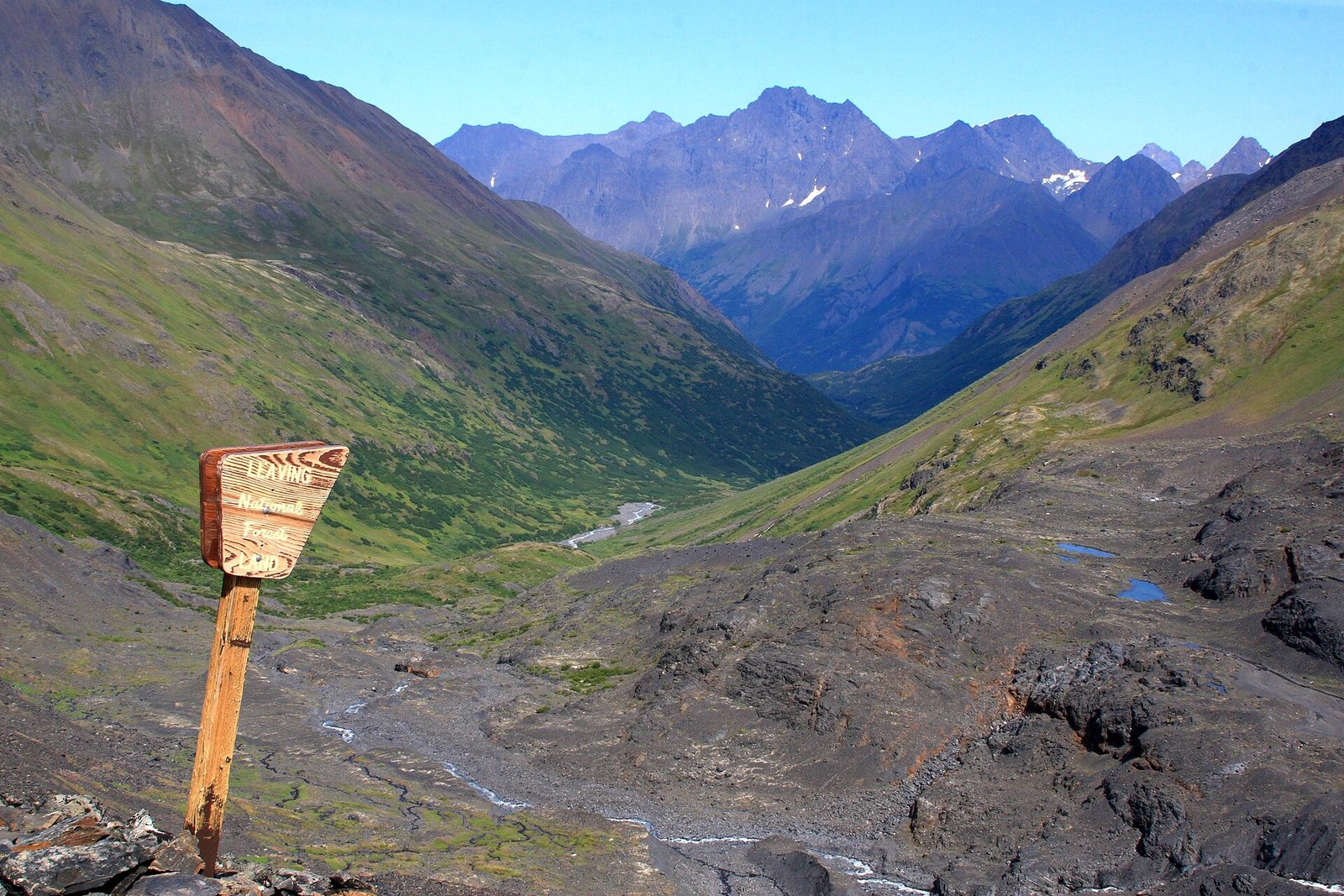
Trail runners share the land with wildlife, and running raises the chance of a surprise encounter. Official guidance exists mainly for bears and is worth knowing before running in their habitat.
What the National Park Service advises
NPS guidance for bear country is to make noise (talk, call out or clap, especially near streams, in wind and at blind corners), travel in groups, since three or more people are more likely to deter an encounter, and avoid dawn, dusk and night. If you see a bear that has not seen you, back away slowly and calmly. Never approach cubs or get between a sow and her cubs. The same page says trail running is ‘highly discouraged’ in bear country because of the risk of surprising a bear, and that bear bells are ineffective.
Leave No Trace guidance
The National Park Service’s Leave No Trace principles ask trail users to plan ahead, travel in small groups and navigate with map and compass or GPS rather than marking routes. Stay on maintained trails and go through the middle of the trail even when it is muddy, pack out all rubbish, leave natural objects where they are, watch wildlife from a distance without feeding it, and yield to other users.
For trail runners
- In bear country, consider hiking instead, or slow down and call out at blind corners and near streams.
- Run with others; three or more is the stated threshold.
- Never approach or feed any wild animal, and keep dogs under control.
- Check with the local park or land manager for current closures and species-specific advice.
Limits of the evidence
This is park guidance for bears specifically; other wildlife and other regions have different advice, so check with the local land manager. Leave No Trace is land-management guidance rather than a research finding, and local rules take precedence. This article is general information, not medical or coaching advice.
Sources
- National Park Service: Hiking in Bear Country
- National Park Service: Leave No Trace Seven Principles
Updated November 16, 2026.
Photo: Frank Kovalchek from USA (CC BY 2.0), via Wikimedia Commons

Leave a Reply