Road Racing
From 5Ks to Half Marathons — Race Smarter
Training Tips
View all →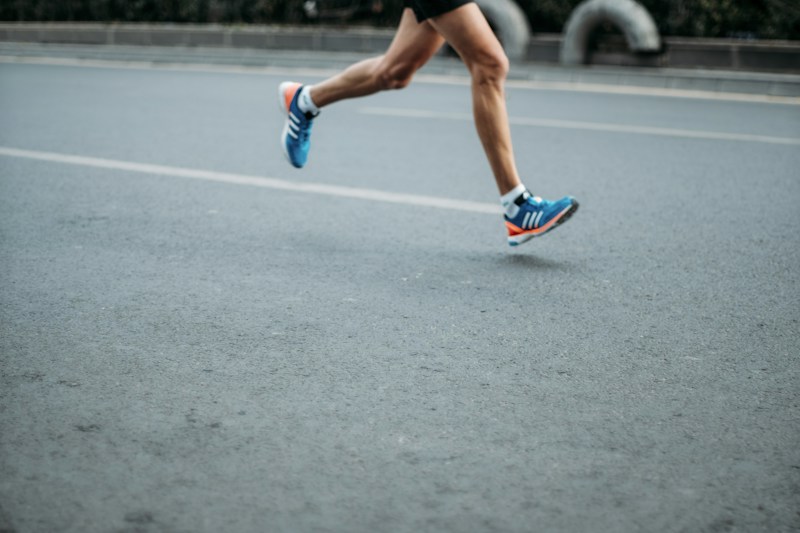 Road RacingHow to Start Running: A Complete Beginner’s GuideEverything you need to know to lace up and start your running journey.March 7, 2026
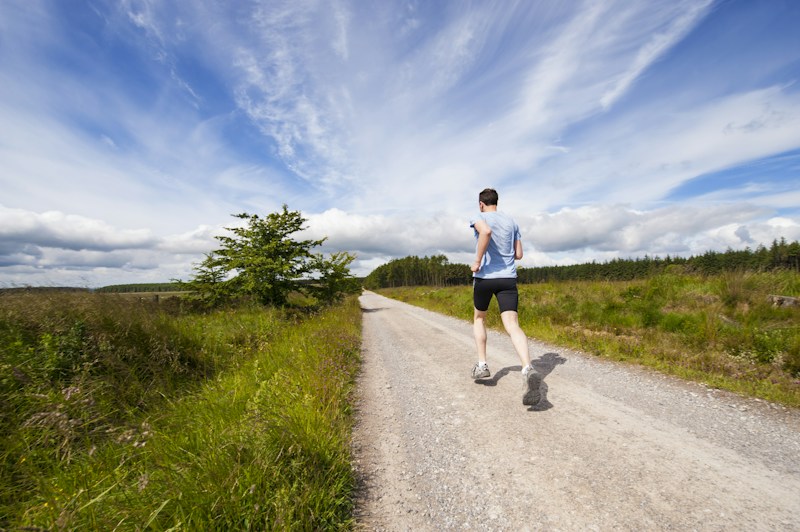 Road RacingThe Run/Walk Method ExplainedHow alternating running and walking builds endurance without burnout.March 6, 2026
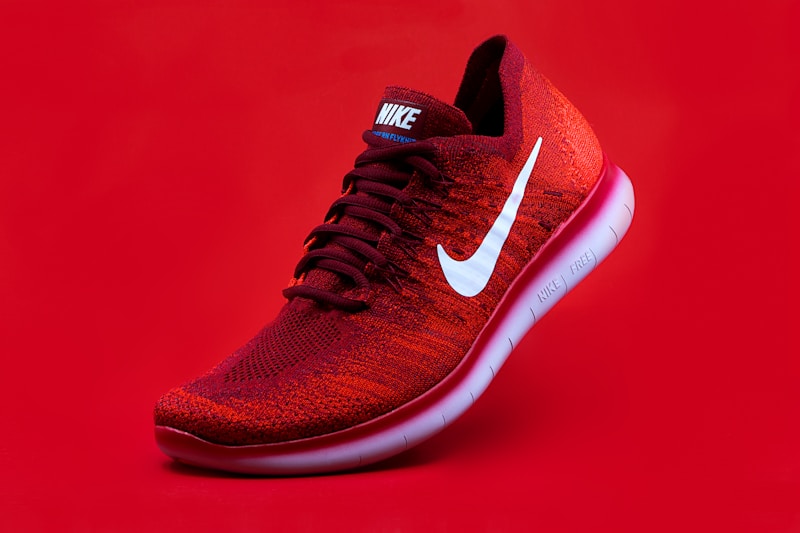 Road RacingChoosing Your First Running ShoesA guide to finding shoes that fit your feet and running style.March 5, 2026
 Road RacingUnderstanding Running Pace for BeginnersWhat pace means, how to find yours, and why it matters.March 4, 2026
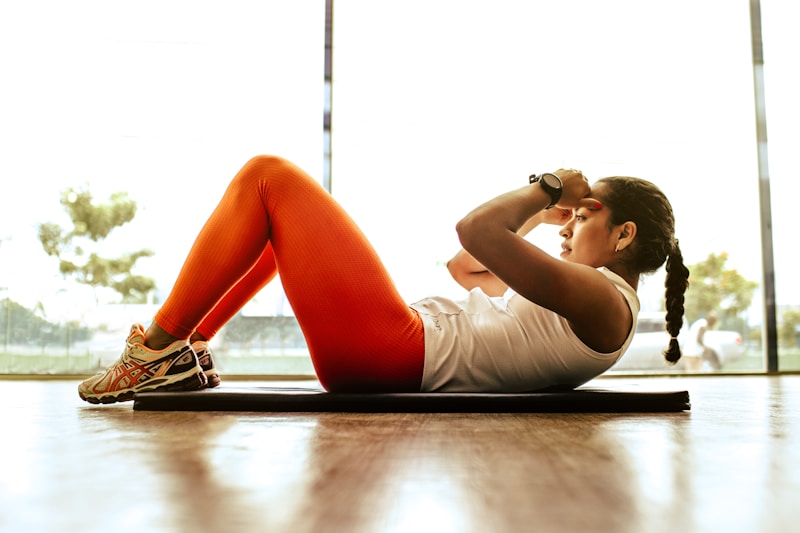 Road RacingHow to Breathe Properly While RunningMaster rhythmic breathing to run more comfortably.March 3, 2026
 Road RacingPre-Run Warm-Up RoutineDynamic stretches and drills to prepare your body for every run.March 2, 2026
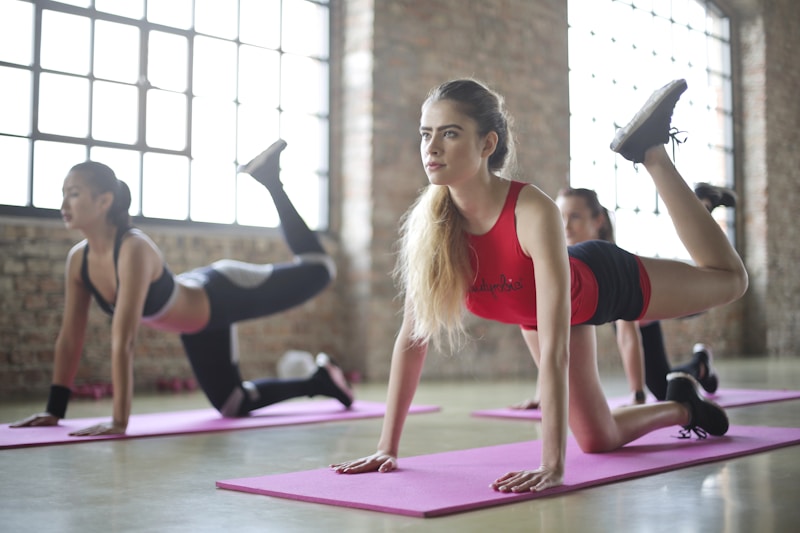 Road RacingPost-Run Stretching for New RunnersEssential cooldown stretches to aid recovery.March 1, 2026
 Road RacingHow Much Water Should Runners Drink?A simple guide to staying properly hydrated before, during, and after runs.February 28, 2026
 Road RacingWhat to Eat Before a RunSimple fueling strategies so you never bonk on an easy run.February 27, 2026
Research
View all →News
View all → Road RacingWorld Record Shattered at Valencia 10KJoshua Cheptegei smashes the 10K world record in Valencia, crossing the line in an astonishing 26:11.March 6, 2026
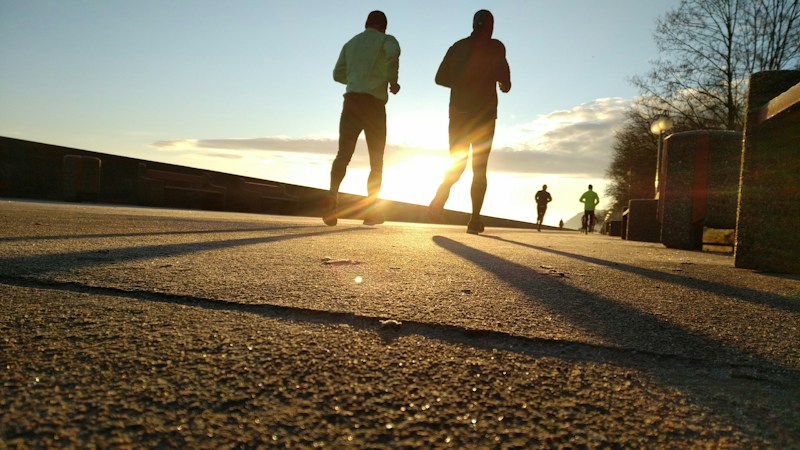 Road RacingBoston Marathon Announces New Qualifying StandardsThe BAA has updated Boston Marathon qualifying times for 2027, tightening standards by 5 minutes across all age groups.March 3, 2026Road RacingNike Alphafly 4 Review: Is It Worth the Hype?We tested Nike's latest super shoe over 200 miles. Here's our verdict on the Alphafly 4.March 1, 2026
Upcoming events
- Online Winter Running Gear Webinar2026-11-15 · Online / Zoom
- Virtual Turkey Trot 5K2026-11-26 · Online · 5K
- Virtual Giving Tuesday 10K2026-12-01 · Online · 10K
- Online Year-End Goal Setting for Runners2026-12-05 · Online / Zoom
- Virtual Jingle Bell 5K2026-12-12 · Online · 5K
- Global Virtual 10K Year-End Finale2026-12-20 · Online · 10K
- Virtual New Years Eve 5K Countdown2026-12-31 · Online · 5K
FAQ
What is road racing?
Road racing refers to organized running events held on paved roads, typically ranging from 5K to half marathon distances. Events are usually timed with official results and age group awards.
How do I sign up for my first race?
Most races use online registration platforms like RunSignUp, Active.com, or the race’s own website. Search for local 5K races, fill out the registration form, and pay the entry fee.
What distance should I start with?
A 5K (3.1 miles) is the most popular beginner distance. It’s achievable for most people with 6-8 weeks of training using a walk/run program like Couch to 5K.
How many days per week should I run?
Beginners should start with 3 days per week with rest days in between. As fitness improves, you can gradually increase to 4-5 days. Always include at least 1-2 rest days.
How fast should I run during training?
Most training runs should be at a conversational pace — slow enough to hold a conversation. The majority of your miles (80%) should be easy, with only 20% at harder efforts.
What is a good 5K time for a beginner?
For most beginners, finishing a 5K between 25-35 minutes is a great achievement. Focus on finishing first, then work on improving your time in future races.
What shoes should I wear for road racing?
Visit a specialty running store for a gait analysis and shoe fitting. Road running shoes have cushioning designed for pavement and come in neutral or stability options based on your foot mechanics.
What should I wear on race day?
Wear moisture-wicking fabrics (not cotton). Dress as if it’s 15-20°F warmer than actual temperature since you’ll heat up. Never wear brand new gear on race day — always test it in training first.
What should I eat before a race?
Eat a familiar, easily digestible meal 2-3 hours before. Good options include toast with peanut butter, oatmeal, or a banana. Avoid high-fiber or high-fat foods that might cause stomach issues.
What is a bib number and how does timing work?
Your bib number is your race identification. Most races use chip timing attached to your bib or shoe — the clock starts when you cross the start mat, not the gun, giving you an accurate “chip time.”
Videos
- ▶ 11 Beginner Run Tips | How To Start Running!GTN shares 11 essential tips for beginner runners.
- ▶ The PERFECT Running Form (Your Head To Toe Checklist)A complete head-to-toe checklist for perfecting your running form.
- ▶ 9 Minutes To Fix Your Running FormSports scientist Nicklas Røssner on fixing common running form mistakes.
- ▶ Run Faster with LESS Effort by Fixing This Simple MistakeHow to improve running technique for speed and injury prevention.
- ▶ How To Run More EfficientlyTips for improving your running efficiency and form.
- ▶ How To Start Running | 8 Week Training PlanA structured 8-week plan to get you running your first 5K.
Get weekly running tips
The best training, gear and race-day advice in your inbox — free.