Ultramarathoning
Beyond the Finish Line
Training Tips
View all → UltramarathoningSo You Want to Run an UltraA beginner's introduction to the world of ultramarathons.March 7, 2026UltramarathoningYour First 50K: A Complete GuideHow to train for and complete the most accessible ultra distance.March 6, 2026
 UltramarathoningUltra Nutrition: Eating for HoursHow to fuel your body during runs lasting 4+ hours.March 5, 2026UltramarathoningMandatory Gear for Your First UltraEssential equipment every ultra runner needs.March 4, 2026UltramarathoningWalking in Ultras Is Not CheatingWhy hiking is a legitimate and strategic part of ultra racing.March 3, 2026UltramarathoningTraining Your Gut for UltrasHow to build digestive tolerance for long-distance eating.March 2, 2026UltramarathoningNight Running Skills for BeginnersHow to safely and confidently run in the dark.March 1, 2026UltramarathoningMental Toughness for Ultra BeginnersHow to push through low points during an ultra.February 28, 2026UltramarathoningAid Station Strategy 101How to efficiently use aid stations during an ultra.February 27, 2026
Research
View all →UltramarathoningElectrolyte Balance in Extreme Ultra-Endurance: What the Consensus Says and Does Not SayFor ultra runners, the key lesson from the 2015 hyponatremia consensus is that too much fluid, not just too little salt, causes the problem.March 2, 2026UltramarathoningGastrointestinal Distress Management in Ultra-Endurance67% of ultra-marathoners experience significant GI issues, with liquid calories and electrolyte balance being critical factors.March 1, 2026UltramarathoningTraining Periodization for Ultra-Marathon SuccessBack-to-back long run training improves ultra-marathon performance more than single weekly long runs in time-limited athletes.February 28, 2026UltramarathoningNavigation and Pacing in Trail Ultra-MarathonsGPS navigation errors account for 12% of ultra-marathon DNFs, while conservative early pacing improves finishing probability by 31%.February 25, 2026UltramarathoningTechnology Integration in Ultra-Endurance PerformanceReal-time physiological monitoring during ultras improves pacing decisions but may increase cognitive load and anxiety.February 24, 2026UltramarathoningMetabolic Adaptations in Multi-Day Ultra EventsUltra-endurance athletes shift to 85% fat oxidation by day 3 of multi-stage events, compared to 65% in single-day ultras.February 23, 2026News
View all → UltramarathoningBen Dhiman Wins UTMB in 18:16:29, First Man Under 19 HoursThe American won by 31 minutes on a shorter, flatter course after a two-hour weather delay. The time cannot count as an official course record.August 29, 2026
 UltramarathoningL’Hirondel Wins UTMB in 21:54:49 as Her Lead Shrinks to 21 MinutesBlandine L'Hirondel took the fastest women's UTMB time recorded, though falls and a late charge cut her lead sharply.August 29, 2026
 UltramarathoningBouillard and Lichter Break Western States Course RecordsVincent Bouillard ran 13:46:15, the first sub-14 finish, and Jenn Lichter won her 100-mile debut in 15:28:05 on a cool day.June 27, 2026
Upcoming events
 Ultra Elevation Training Online Clinic2026-11-18 · Online / Zoom
- Virtual Thanksgiving Ultra 50K2026-11-26 · Online · 50K
- Online Ultra Year-End Planning Session2026-12-03 · Online / Zoom
- Virtual Holiday 100K2026-12-12 · Online · 100K
 Ultra Strength Training Webinar2026-12-18 · Online / Zoom
- Virtual New Years 50K Ultra2026-12-31 · Online · 50K
FAQ
What qualifies as an ultramarathon?
Any race longer than 26.2 miles (marathon distance) is an ultramarathon. Common distances include 50K (31 miles), 50 miles, 100K (62 miles), and 100 miles. Some ultras are timed events (e.g., 24 hours).
How experienced do I need to be to run an ultra?
Most runners complete several marathons before attempting an ultra. A solid base of 40-50+ miles per week and experience with long runs of 4+ hours is recommended before starting ultra training.
What is a good first ultra distance?
A 50K is the most common first ultra distance. It’s only about 5 miles longer than a marathon, making it a manageable step up. Choose a 50K with generous time limits and good aid stations.
How do I train for a 50-miler or 100-miler?
Training emphasizes time on feet over speed. Long runs of 4-8 hours, back-to-back long run weekends, and significant weekly volume (50-80+ miles) are typical. Most plans are 16-24 weeks.
Is walking allowed in ultras?
Absolutely! Walking uphills, at aid stations, and during low points is a standard ultra strategy. Many successful ultrarunners plan walk breaks into their race strategy.
How do I train for running at night?
Include nighttime training runs in your plan. Practice with your headlamp on varied terrain. Your body will adapt to the sleep deprivation, but it takes specific training to run well in darkness.
How much should I eat during an ultra?
Aim for 200-300 calories per hour using a mix of real food, gels, and drinks. Variety is key in ultras — your stomach will reject the same fuel after many hours. Practice extensively in training.
What real food works well during ultras?
Popular ultra foods include PB&J sandwiches, boiled potatoes with salt, bananas, pretzels, quesadillas, broth, and even pizza. Aid stations at major ultras offer extensive food options.
What gear do I need for an ultra?
Beyond standard running gear: a hydration vest or pack, headlamp (with backup), extra layers, blister care kit, and drop bags with supplies for different sections of the course.
What is a crew and pacer?
A crew is your support team at aid stations providing food, gear changes, and encouragement. A pacer runs with you during later stages (usually after mile 50-60) to help with navigation and motivation.
Videos
 ▶ How I Train for an Ultramarathon: 3 Essential Training TipsThree essential training tips for ultramarathon preparation.
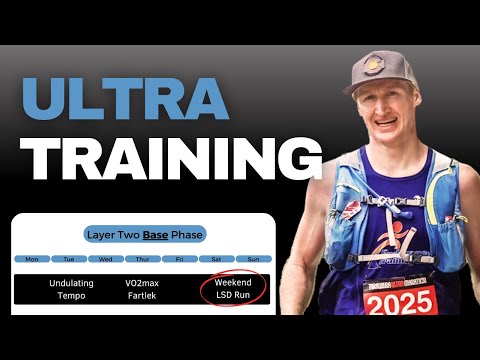 ▶ How To Train For An Ultramarathon – Evidence-Based SystemScience-backed ultramarathon training covering nutrition, pacing and recovery.
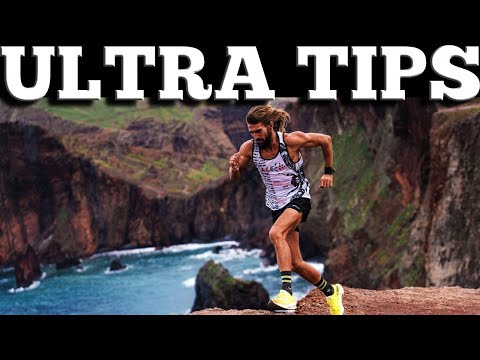 ▶ How To Run Your First Ultra: Pro Tips from British 100km ChampionPro tips from a British champion on running your first ultra.
 ▶ ULTIMATE Guide to Running Your FIRST 50km Ultra MarathonComprehensive guide with training plan for your first 50km ultra.
Get weekly running tips
The best training, gear and race-day advice in your inbox — free.