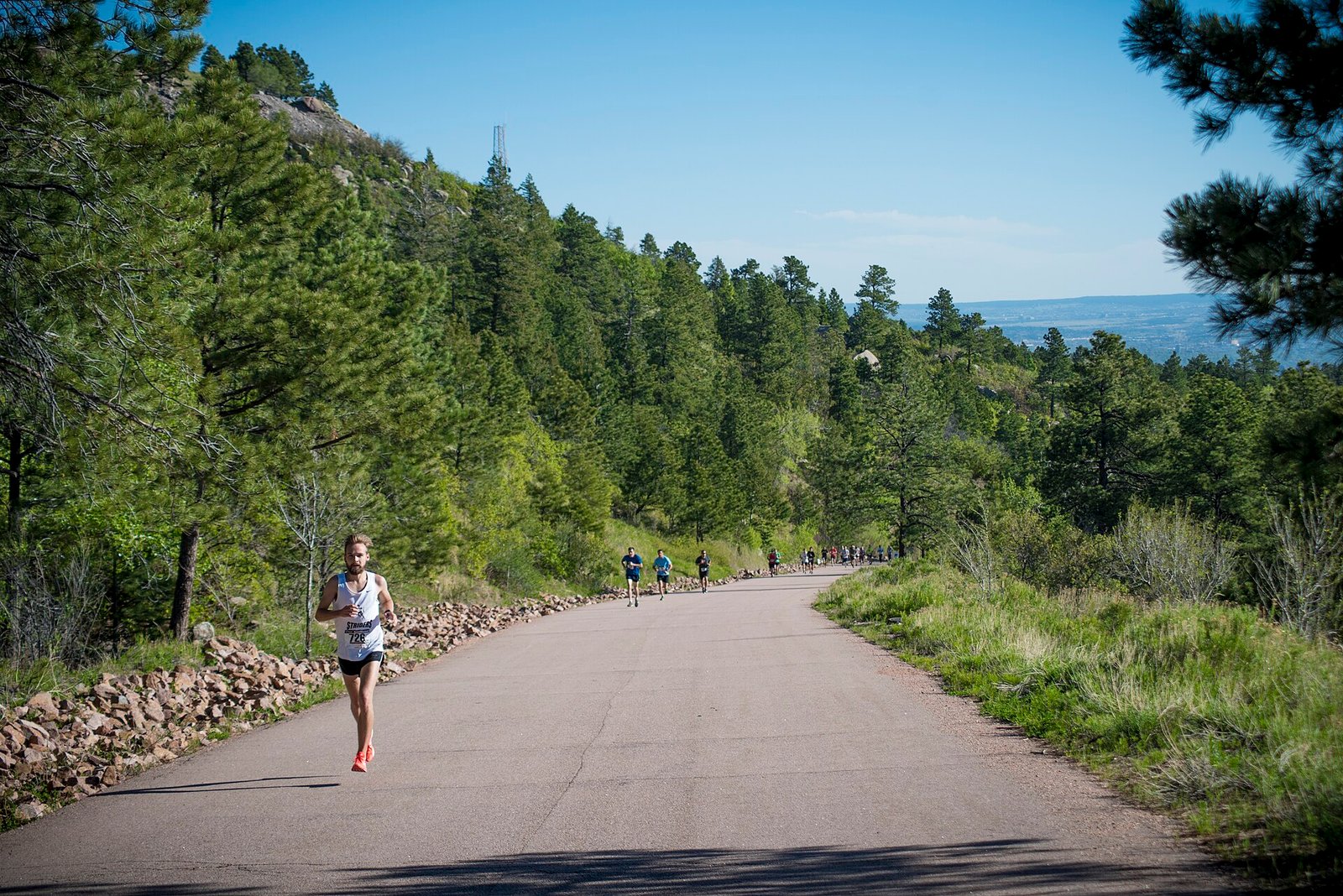
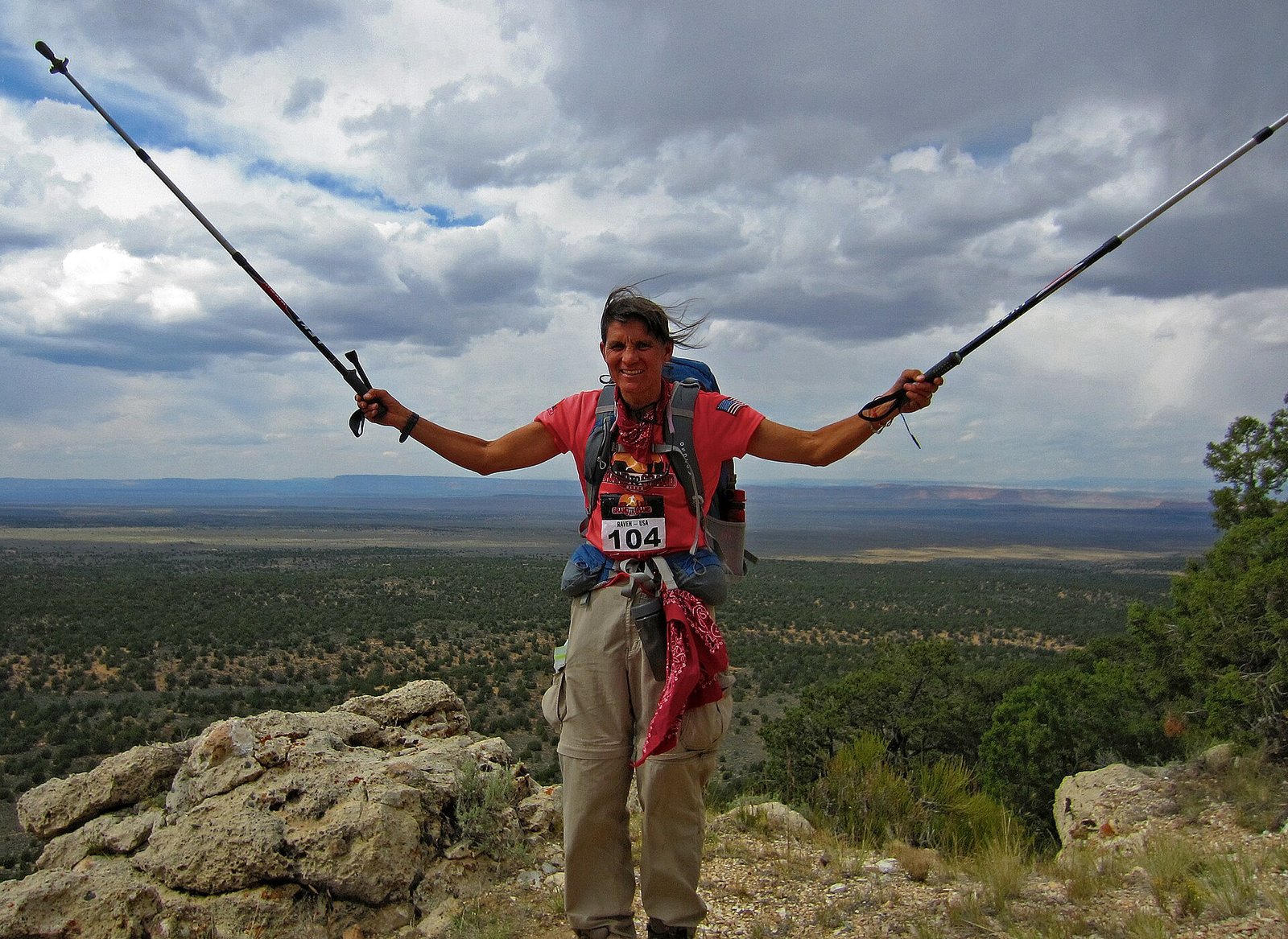
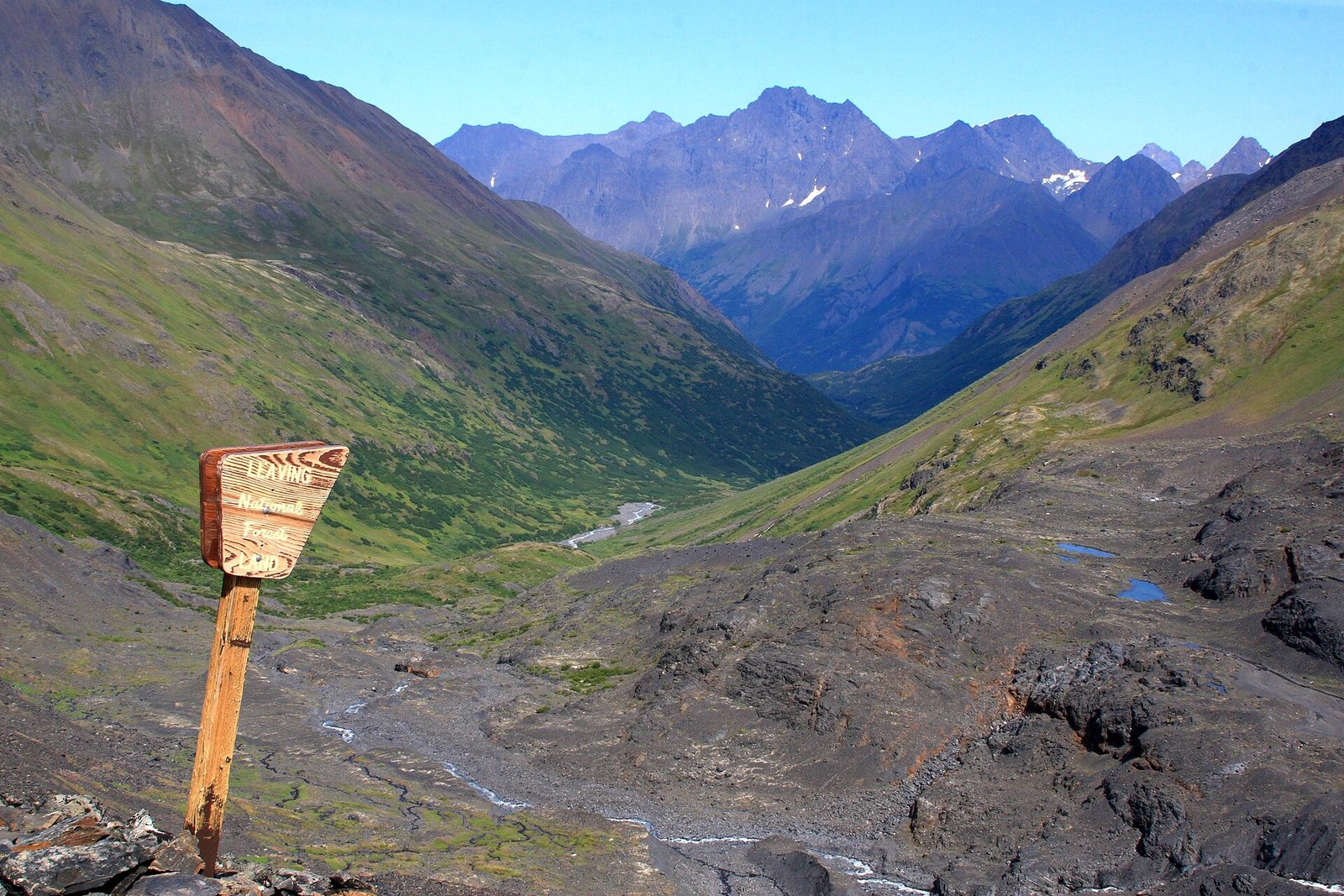
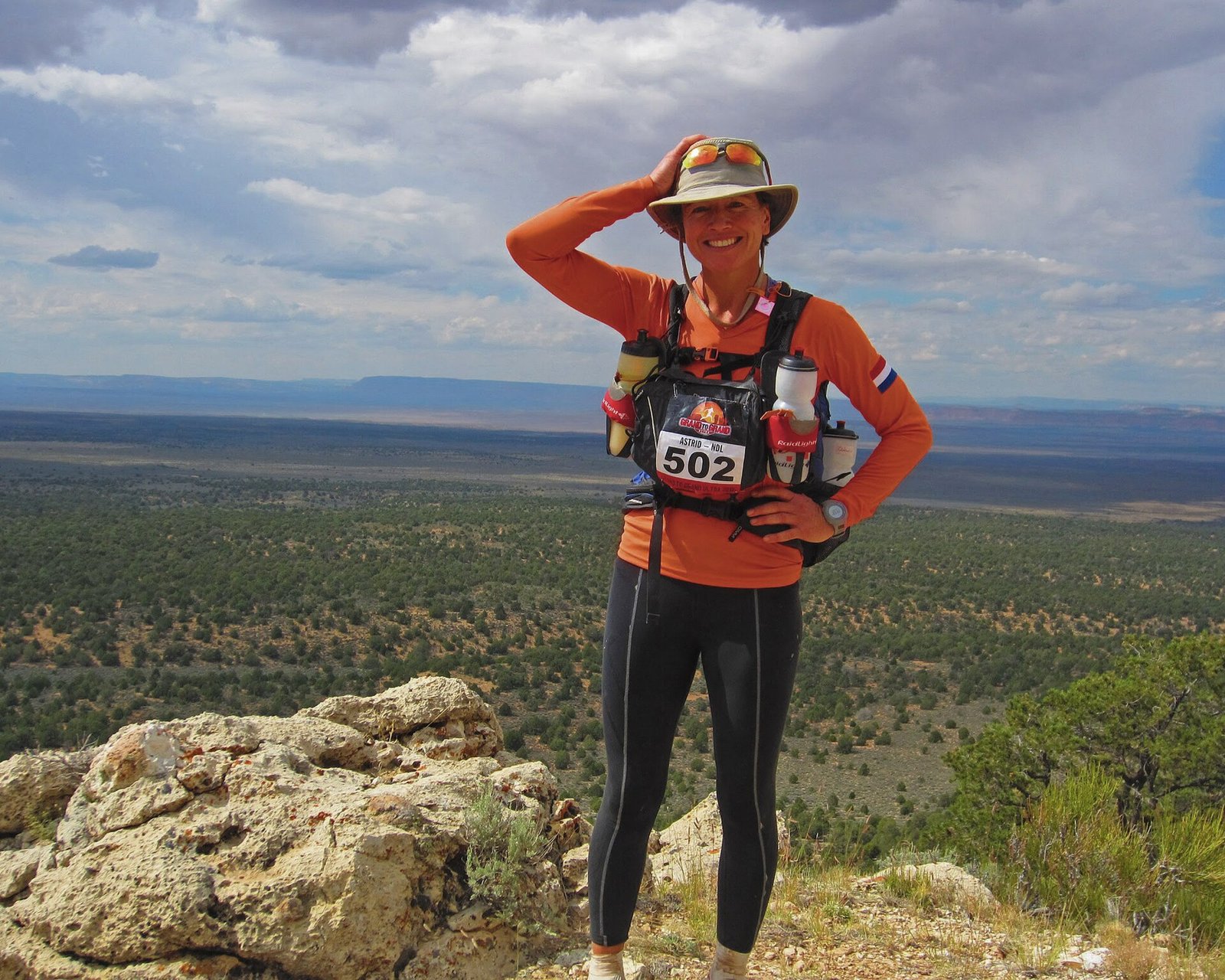
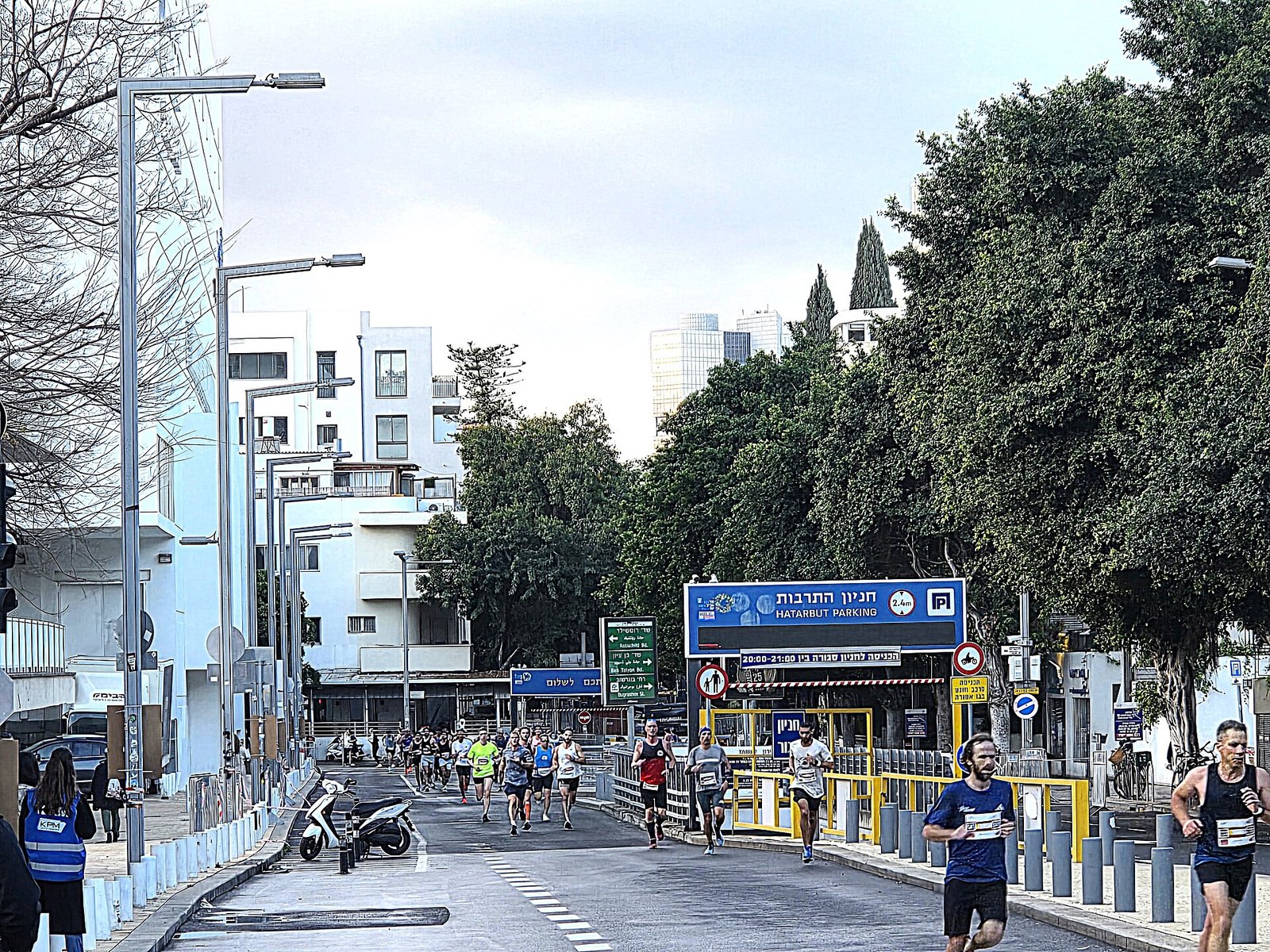
On trails, conditions can change within a single run: shaded climbs, exposed ridges, cold wind, hot canyon floors. A fixed hourly drinking target ignores that. The 2015 international consensus on exercise-associated hyponatremia (EAH) takes a different approach: drink according to thirst, because that adapts to conditions as they change.
Why overdrinking matters on long trail days
The statement’s main identified risk factor is sustained fluid intake beyond what the body loses through sweat and urine, and heat raises the risk. Trail runners on long days, who carry bottles or vests and can drink whenever they like, can easily get ahead of their needs, especially on slow, cool climbs.
Practical rules for variable terrain
- Fill what you will use between aid points; carrying more does not mean you must drink more.
- Sip when you are thirsty, particularly after hot, exposed sections, and ease off when it cools.
- Make drinks palatable: the statement notes that fluids should be palatable.
- If you feel bloated, nauseated or get a headache while still drinking regularly, slow down and tell a race medic or your group.
Limits of the evidence
The consensus is general guidance for endurance sport and does not give terrain-specific volumes. Sweat rates and carrying capacity vary, and remote trails raise the stakes if something goes wrong, so practise your plan in training, and run with others when you can.
Sources
Updated November 14, 2026.
Photo: Frank Kovalchek from USA (CC BY 2.0), via Wikimedia Commons